YAMAHA 5PJ-H3320-00-00 Front Left Right Turn Signals Light YW50 Indicators
fits model: Zuma. make: Yamaha. year: 2002–2005.
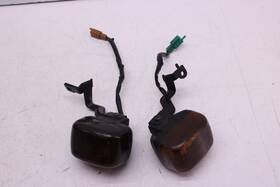
( Manufacturer Part Number: 5PJ-H3320-00-00 ), ( Type: Front Turn Signal Pair )
Review YAMAHA 50 Oem Front Left Right Turn Signals Light Indicators fits ZUMA 2002–2005
Introducing the Yamaha Zuma 50 YW50's front left and right turn signals, model number 5PJ-H3320-00-00. These turn signals are expertly engineered by Yamaha to provide optimal safety and functionality for your scooter.
The turn signals are compact, yet brightly illuminated, ensuring that your intentions are clearly communicated to other road users. Each signal consists of an amber light bulb housed within a durable, weather-resistant clear lens. The lens is designed to protect the bulb from the elements, ensuring a long lifespan.
The turn signals are integrated seamlessly into the scooter's bodywork, with the lens sitting flush against the fairing. This not only enhances the scooter's aesthetic appeal but also reduces wind resistance, contributing to improved fuel efficiency and performance.
The turn signals are activated by the scooter's directional signals, which are controlled using the handlebar-mounted switchgear. When a turn is initiated, the corresponding turn signal will flash to alert other road users. The turn signals also feature a self-cancelling function, which automatically switches off after the turn has been completed, adding an extra layer of convenience.
The turn signals are easy to install, requiring no special tools or expertise. They simply plug into the existing wiring harness, making them a straightforward upgrade for any Yamaha Zuma 50 YW50 owner looking to enhance their scooter's safety and visibility.
In summary, the Yamaha Zuma 50 YW50's front left and right turn signals, model number 5PJ-H3320-00-00, are an essential safety accessory for any scooter rider. They are compact, bright, durable, and easy to install, providing peace of mind and improved visibility on the road.
Buying Yamaha Zuma 50 (YW50) Front Turn Signals: A Comprehensive Analysis
Introduction:The Yamaha Zuma 50 (YW50) is a popular scooter model known for its affordability, fuel efficiency, and ease of use. However, its stock turn signals may not be sufficient for some riders, leading them to consider aftermarket options. In this analysis, we will discuss the pros and cons of buying Yamaha 5PJ-H3320-00-00 02-05 Zuma 50 front turn signals.
Pros:1. Improved Visibility: Aftermarket turn signals offer superior visibility compared to the stock ones. These signals come with brighter bulbs, ensuring that other drivers can easily see your intentions.
2. Enhanced Aesthetics: Upgrading your turn signals can give your scooter a fresh, new look. These aftermarket signals are often available in various colors and styles, allowing you to customize your ride.
3. Durability: Aftermarket turn signals are usually designed to be more robust than their stock counterparts. They can withstand harsh weather conditions and regular use, providing long-lasting performance.
Cons:1. Cost: Aftermarket turn signals can be more expensive than the stock ones. While the price difference may not be significant for some riders, it can be a deciding factor for others.
2. Installation: Installing aftermarket turn signals can be a time-consuming process. It may require additional tools and expertise, potentially adding to the overall cost.
3. Compatibility: It is essential to ensure that the aftermarket turn signals are compatible with your specific model of the Yamaha Zuma 50. Failure to do so could result in poor performance or even damage to the scooter.
Conclusion:In conclusion, upgrading your Yamaha Zuma 50's turn signals with aftermarket options can offer several advantages, such as improved visibility, enhanced aesthetics, and durability. However, these advantages come at a cost, both financially and in terms of installation time and expertise. Riders who prioritize these benefits and are willing to invest in them should consider purchasing Yamaha 5PJ-H3320-00-00 02-05 front turn signals. On the other hand, those who are more budget-conscious or have limited installation expertise might prefer to stick with the stock turn signals.
Recommendation:If you are considering upgrading your Yamaha Zuma 50's turn signals, carefully weigh the pros and cons outlined above. Research various aftermarket options, ensuring compatibility with your scooter model. Consider factors such as cost, installation complexity, and desired aesthetics. Finally, consult a professional mechanic or trusted online community for advice before making a purchase.
Details:
part #: 5pjh33200000 prices
- $11.19-$24.99
specifications indasse:
- for models: Zuma
- for makes: Yamaha
- for years: 2002-2005
- mpn: 5pj-h3320-00-00
- type: Front Turn Signal Pair
returns indasse:
- time: 30 Days
- paid by: Buyer
- policy: Returns Accepted
seller indasse:
- # reviews: 5085
- rating: 99.5%
- city: Comstock Park, Michigan
payments indasse:
- credit card: Discover
- wallet: Google-pay
- other
offer indasse:
- sold: 0
- options: Ship-to-home
- availability: In Stock
- started: November 11, 2025
- quantity: 1
- best offers: True
general indasse:
- Motorcycle Scooter Parts Accessories > Lighting Lamps > Turn Signal Light Assemblies
- condition: Used
shipping indasse:
- transit: 3-6 Days
- class: Standard
- cost: $6.00
- service: Standard
- type: Fixed
Yamaha 5PJ-H3320-00-00 Is Similar To:
- 021000rs Yamaha R1 Oem Rear (25.2% similar) This is used and the mudflap was cut off as you can see in pictures. This listing is for a yamaha r1 oem rear turn signal assembly off 2002 model. There are also some scratches on the blinkers. Thanks again...(February 15th, 2018)
- 102-83332-20 Yamaha Flasher Lens New Oem Ygs Signal (33.6% similar) ...(February 11th, 2019)
- 104-83330-10 Oem Yamaha Nos Trailmaster Rear Turn Signal Flasher (37.2% similar) 1 brand new oem nos genuine yamaha chrome rear turn signal indicator, optional item ?, for trail master 80 YG1 motorcycle sorry, no lens or bulb. I have other yamaha motorcycle new used parts in some of my listings. I only have the one. All overseas shipping item is perfect in every way...(February 20th, 2019)
- 1050287 Yamaha Vmax Right Front Turn Signal Light Indicator (57% similar) Each part is systematically placed to be easily located once purchased. More options available upon request. Many countries only allow 79 max package length and girth combined...(February 12th, 2019)
- 1061554 Yamaha Exciter Right Front Turn Condition (36.9% similar) 1981 yamaha exciter SR250 - right front turn signal indicator light in very good condition. Purchased as backup part for now sold bike...(September 4th, 2018)
- 1064013 Yamaha Stratoliner Left Front Turn Signal Light Indicator (54.8% similar) More options available upon request. If the item does not fit motorcycle model's specified in listing. Each part is systematically placed to be easily located once purchased. Each part is systematically placed to be easily located once purchased. Many countries only allow 79 max package length and...(April 4th, 2018)
- 1065648 Yamaha Star Tourer Left Rear Turn Signal Light Indicator (55.1% similar) Each part is systematically placed to be easily located once purchased. If the item does not fit motorcycle model's specified in listing. Many countries only allow max package length and girth combined...(October 19th, 2018)
- 1066242 Yamaha Right Rear Back Turn Signal Light Indicator (53.3% similar) Many countries only allow 79 max package length and girth combined. Each part is systematically placed to be easily located once purchased...(June 3rd, 2018)
- 1066243 Yamaha Left Rear Turn Signal Light Indicator Rash (56.4% similar) Many countries only allow 79 max package length and girth combined. Each part is systematically placed to be easily located once purchased. More options available upon request. If the item does not fit motorcycle model's specified in listing...(June 3rd, 2018)
- 109-9071 Yamaha Turn Signal Spacers (34.6% similar) New product, package shows wear due to being stored. I will answer the best can...(January 21st, 2019)
- 10m-83310-00-00 Yamaha Front Flasher Turn Signal (48.6% similar) ...(October 24th, 2018)